
About Me
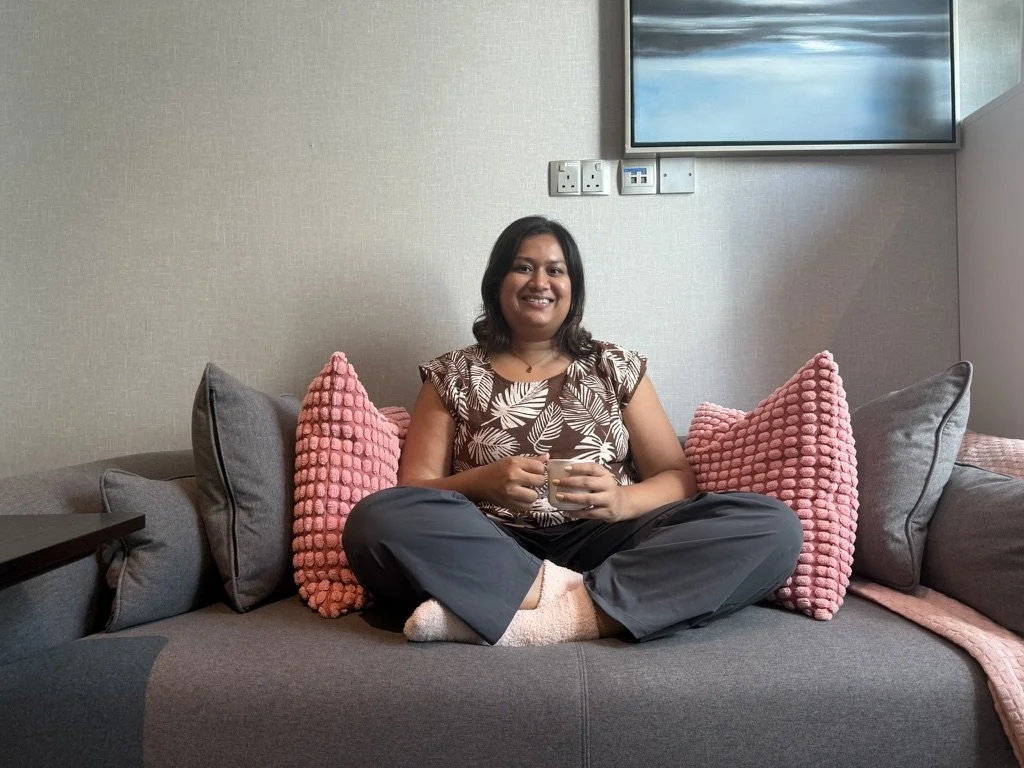
Hi, I’m Shar.
I know something about what it’s like to grow up between cultures, and to spend a long time figuring out which parts of you are actually you.
I was born in India, grew up in Singapore, and spent over a decade studying, living, and working across Europe and North America before returning to Singapore during the pandemic. I’m also an adult Third Culture Kid (TCK), and my own relationship with culture, belonging, expectations, and identity continues to evolve.
How I got here
Long before I knew I wanted to become a therapist, I was curious about people: the cultures and societies we grow up in, the stories we inherit, and all the things that shape who we become.
I followed that curiosity to Scripps College, where I studied History and Anthropology. I didn’t know then that I would eventually find my way to therapy, but looking back, the thread feels pretty clear.
I went on to complete dual master’s degrees in Psychological Counseling at Teachers College, Columbia University and have been practicing as a therapist since graduating in 2017. I’m a Licensed Mental Health Counselor in the State of New York and have worked across community mental health, residential treatment, education, and private practice settings in New York and Singapore.
How I approach therapy
That same curiosity about people is still at the heart of how I work.
My clinical foundation is psychodynamic, which means I’m interested not only in what is happening in your life right now, but in your history, relationships, patterns, and the experiences that have shaped the way you move through the world. I also bring in somatic, parts-based, and socially and culturally informed perspectives, paying attention to what happens in the body, the different parts of ourselves we may be in conflict with, and the larger cultural and social systems that shape our experiences. I draw from approaches such as ACT and CBT when more practical tools are helpful.
I’m especially interested in the parts of ourselves that can be difficult to untangle: who we are versus who we learned we were supposed to be, what we genuinely want versus what is expected of us, and why we can understand ourselves incredibly well and still find ourselves repeating the same patterns.
I don’t believe good therapy is about having the perfect technique or always knowing exactly the right thing to say. The relationship we build matters: whether you feel safe enough to be honest, whether you feel understood, and whether there is enough trust between us to explore the things that may be harder to put into words. Not every therapist will be the right fit for every person, and finding someone you feel comfortable working with is so important.
I won’t always have the answer, and I don’t expect you to either.
Outside the therapy room
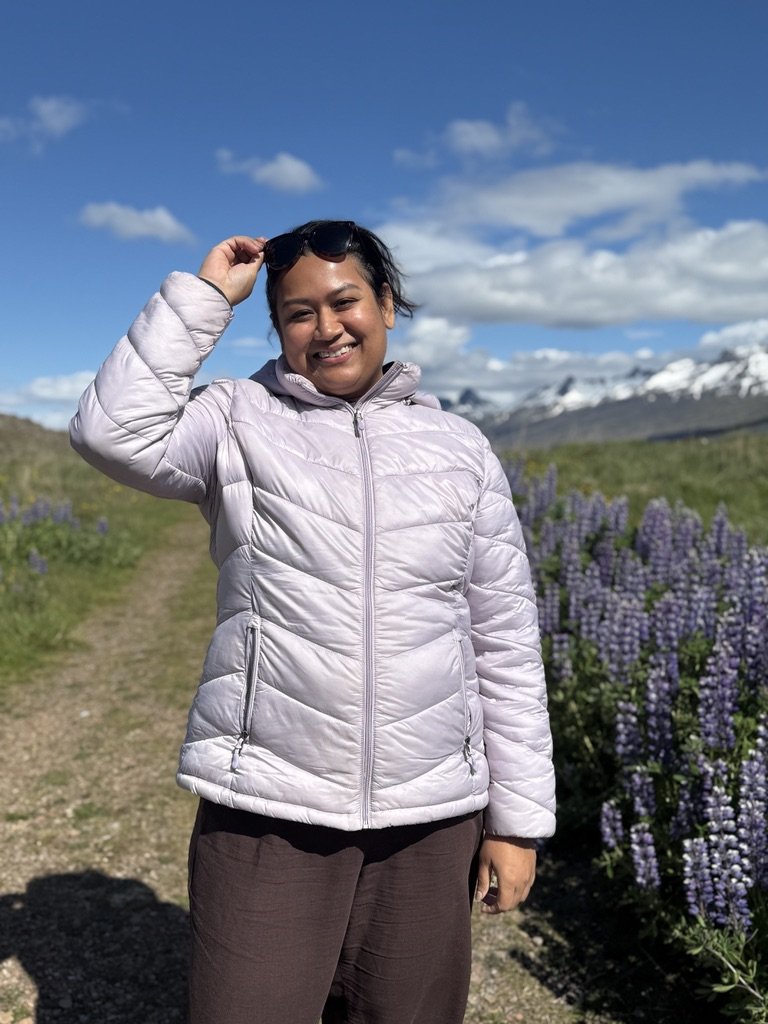
Since my work involves so much thinking, reflecting, and sitting still, outside the therapy room I tend to gravitate toward things that get me out of my head and more connected to my body.
These days, that looks like badminton, nature walks, and exploring Singapore on an ongoing quest for my next kopi. I’m equally committed to the less active side of life: karaoke, naps, and endless cuddles with my two cats.
What I hope therapy feels like
My hope is that therapy with me feels like a space where you don’t have to perform, have everything figured out, or show up as the most put-together version of yourself.
Instead, we can be curious together about how you came to be who you are, the patterns that may no longer be serving you, and what it might look like to make more room for the person you’re becoming.
What I can help with
You don’t need to fit neatly into a category to come to therapy. But if you’re wondering whether the things you’re struggling with are things I work with, some of the areas I commonly support clients with include:
Anxiety, stress, and overthinking
Perfectionism and high self-expectations
Self-esteem and self-criticism
People-pleasing and difficulty setting boundaries
Relationship and family difficulties
Identity, belonging, and life transitions
Cultural and intergenerational expectations
Third Culture Kid (TCK) and expat experiences
Explorations around race, ethnicity, gender, sexuality, and culture
Grief, loss, and difficult life experiences
You don’t have to know exactly what you want to work on before reaching out. Our discovery call is a chance for us to talk briefly about what’s bringing you to therapy, for you to ask any questions you have, and for us to get a sense of whether working together might be a good fit.

Qualifications
Columbia University, Teachers College, Master of Education in Mental Health Counseling
Columbia University, Teachers College, Master of Arts in Psychological Counseling
Scripps College, Bachelor of Arts in Anthropology & History
New York State Licensed Mental Health Counselor
International Affiliate of the American Psychological Association



Book a free discovery call and let’s talk.
