
Cognitive & Intellectual Assessments
Get comprehensive, affordable assessments done in Singapore with our Doctoral Trainee Psychologist.
Cognitive and intellectual assessments examine how individuals process information, reason, solve problems, and apply thinking skills in everyday situations. These evaluations explore areas such as attention, memory, language, processing speed, and executive functioning.
The goal of this assessment is to understand an individual’s overall cognitive profile, including intellectual strengths and areas that may require support. This information can help explain learning patterns, concentration difficulties, or challenges with complex thinking tasks, and can inform recommendations for educational, occupational, or therapeutic support.
What to Expect FROM ASSESSMENT TESTING in SINGAPORE:
Initial Consultation: We discuss your history and the specific questions you want answered.
The Testing Session: A 60–90 minute session involving engaging, non-pass/fail tasks (puzzles, patterns, and verbal exercises).
Comprehensive Report: You receive a detailed breakdown of the five key cognitive areas: Verbal Comprehension, Visual Spatial, Fluid Reasoning, Working Memory, and Processing Speed.
Feedback Meeting: A 1-on-1 session to translate the scores into actionable recommendations for home, school, or work.
Meet our ASSESSMENT Clinician
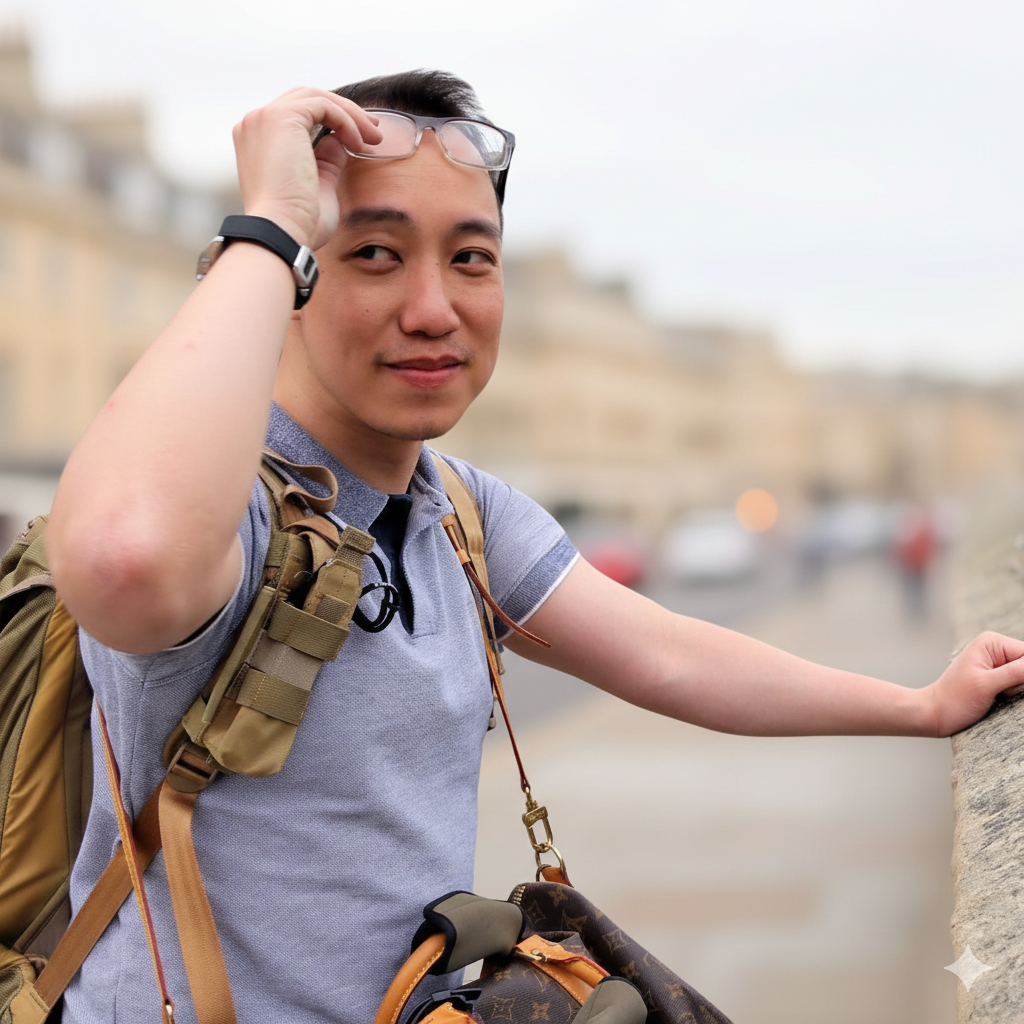
Fred Chin
Doctoral Trainee Psychologist
I’m Fred, a trainee counselling psychologist, and I offer a supportive space to help you better understand what you’re experiencing and navigate life’s challenges.
I work with adults experiencing anxiety, stress and burnout, emotional distress, relationship difficulties, trauma-related concerns, and questions around identity and life transitions. Having worked across corporate, community, and educational settings, I understand how personal difficulties are often shaped by work pressures, relationships, and wider life demands.
My Approach
My approach is relational, client-centred, and trauma-informed, with a grounding in Cognitive Behavioural Therapy (CBT). I see therapy as a collaborative process, where we explore patterns that contribute to distress, build emotional awareness, and develop practical coping strategies that support meaningful change.
I also bring experience working with individuals with neurodevelopmental differences and adults facing high levels of distress, as well as providing crisis support in high-pressure settings, which informs a calm and reflective therapeutic presence.
Professional Background
I am currently training in Counselling Psychology through the Doctorate programme at York St John University (UK) and practise under professional clinical supervision, with a commitment to ongoing learning and compassionate care.

ReGISTER YOUR INTEREST TODAY
We currently have no open slots for assessments, but you can submit the form below to be added to the waitlist and we’ll reach out to you when a space becomes available.